Low-E glass carries a near-invisible metal coating that keeps heat where you want it: in during winter, out during summer.
How it works
Low-E ("low emissivity") glass carries a microscopically thin metallic coating, far too fine to see. It works like a one-way filter for heat: it reflects long-wave infrared (radiant heat) while letting visible light straight through. In winter it bounces your heating back into the room; in summer it blocks much of the sun's radiant heat from getting in. You can't see it, but you feel it as a more even room temperature.
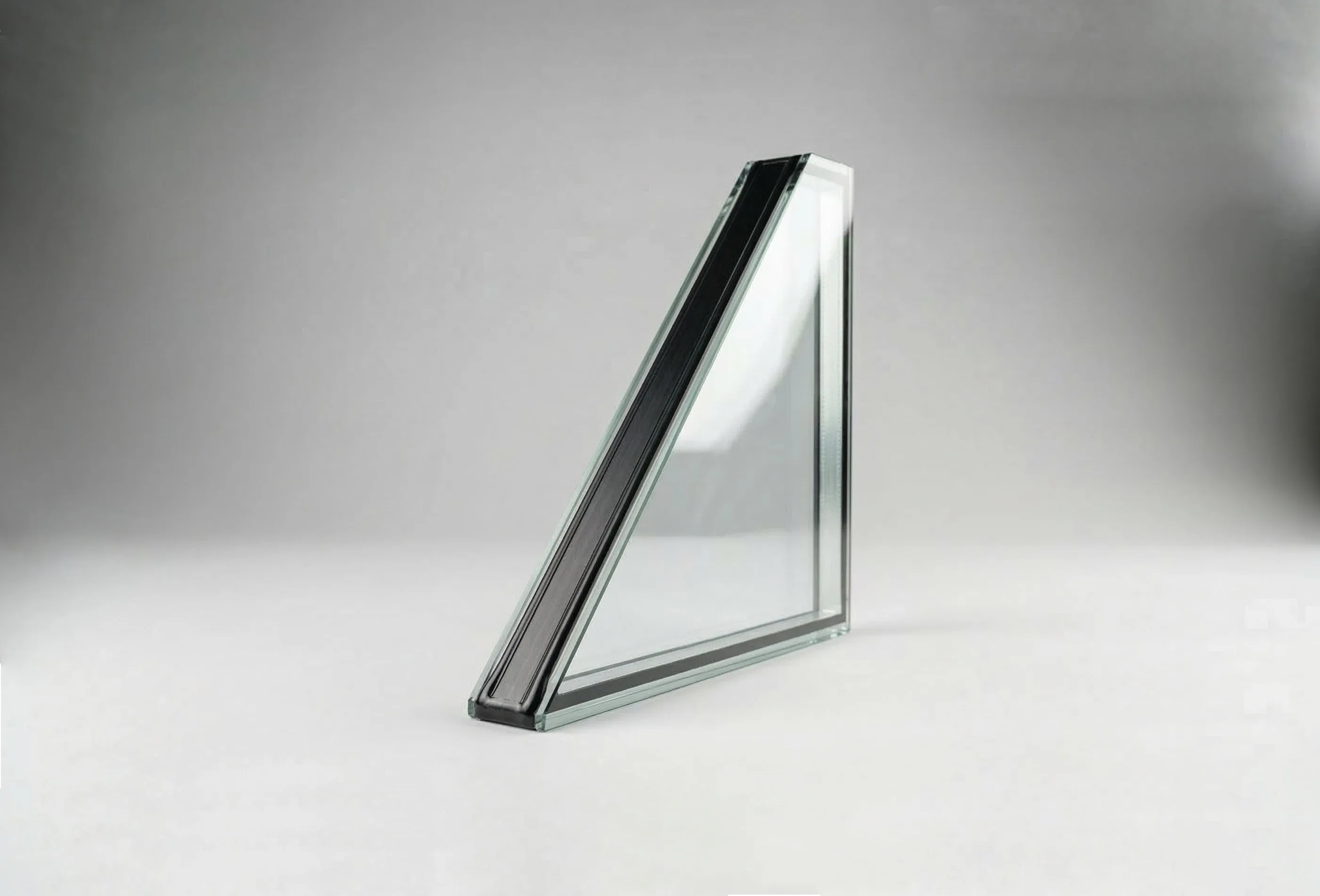
Standard double glazing already slows the heat that conducts and convects across the sealed air gap between its two panes, but infrared radiation still passes straight through the glass in both directions. Low-E adds the missing piece: a heat-reflective coating that bounces that radiation back, lifting thermal performance well beyond plain double glazing.
Keeping heat inside
Heat radiates as infrared toward the window.
Very little heat escapes through the coating.
- 1Indoor heat radiates as infrared toward the window.
- 2The Low-E coating reflects it back, but lets daylight through.
- 3Minimal heat escapes, so you get a warmer home for less energy.
Blocking heat from outside
Indoor temperature stays comfortable.
Solar heat is reflected before it enters.
- 1Solar infrared hits the outer pane from outside.
- 2The Low-E coating reflects it back out; daylight still passes.
- 3Your home stays cooler, with no heavy curtains needed.
What you gain
- Less heat loss in winter. Roughly 60%* less than standard double glazing alone, by reflecting warmth back inside.
- Less heat gain in summer. Up to 25%* of solar heat blocked, so north and west rooms stay cooler without heavy curtains.
- Lower running costs. A further 10–15%* energy saving over plain double glazing in most homes.
- UV protection. Blocks a large share of the UV that fades furniture, carpet and artwork (more again if paired with laminated glass).
- Less condensation. The inner pane stays warmer, so there's less cold surface for moisture to form on.
- Same bright rooms. It filters heat, not daylight, so nothing looks darker or tinted.
Common myths
- "It makes the glass look tinted." It doesn't. The coating is virtually invisible to the naked eye,† so Low-E glass looks the same as standard clear glass, with no colour change or darkening.
- "It blocks natural light." It blocks infrared heat, not visible light, so your rooms stay just as bright.
- "It's only for cold climates." It works both ways, so it earns its keep year-round in New Zealand.
- "It's fragile." The coating sits on a protected inner face inside the sealed unit, so it's as durable as any window.
†Depending on the grade of Low-E glass selected.
Maximum performance
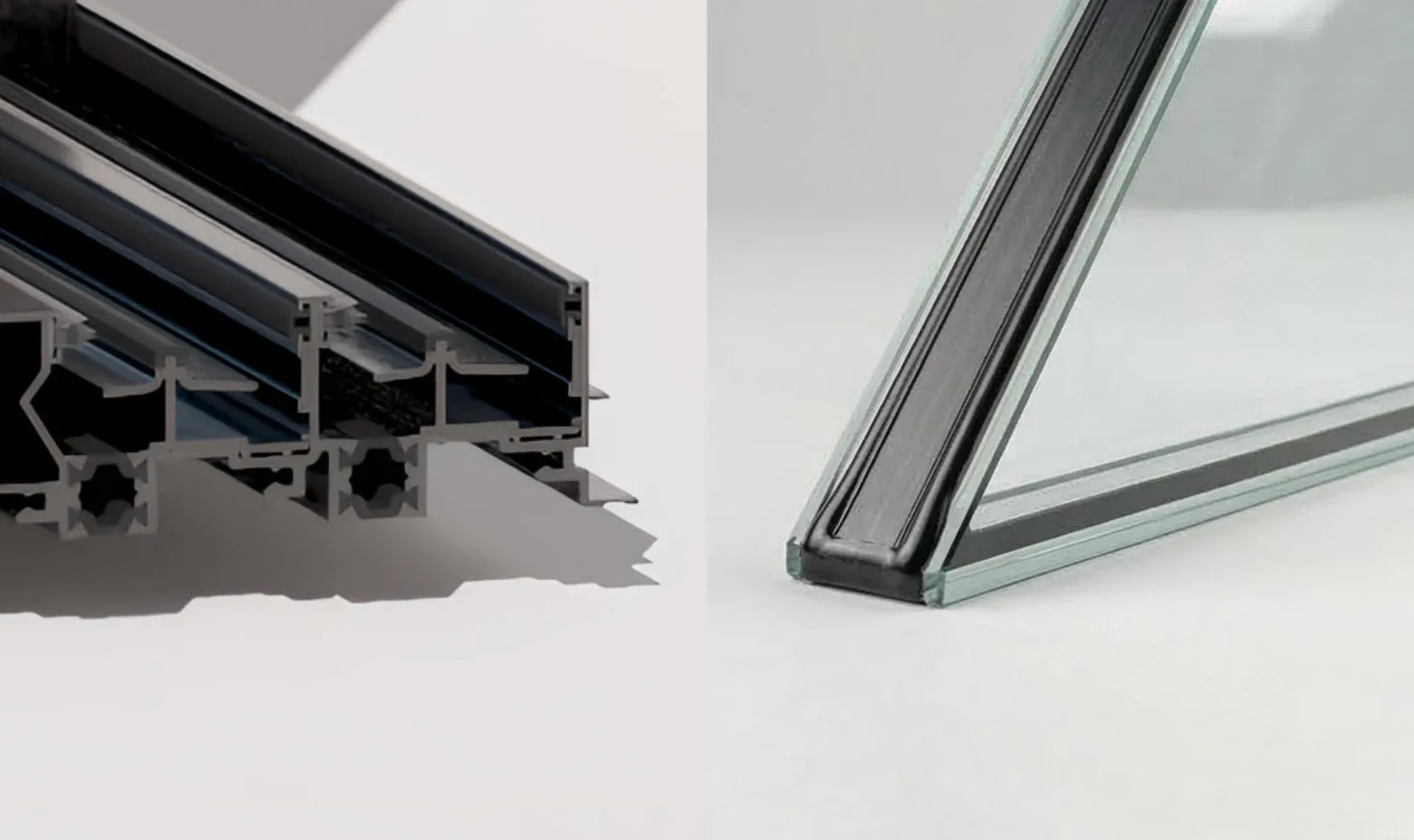
Low-E does its best work as part of a set. Three technologies stack to attack heat loss from different angles:
- Double glazing. The sealed air (or argon) gap between two panes slows the heat that conducts and convects across. It's the foundation everything else builds on.
- Low-E coating. Reflects the infrared radiation that standard double glazing lets straight through, cutting the heat transfer that's left.
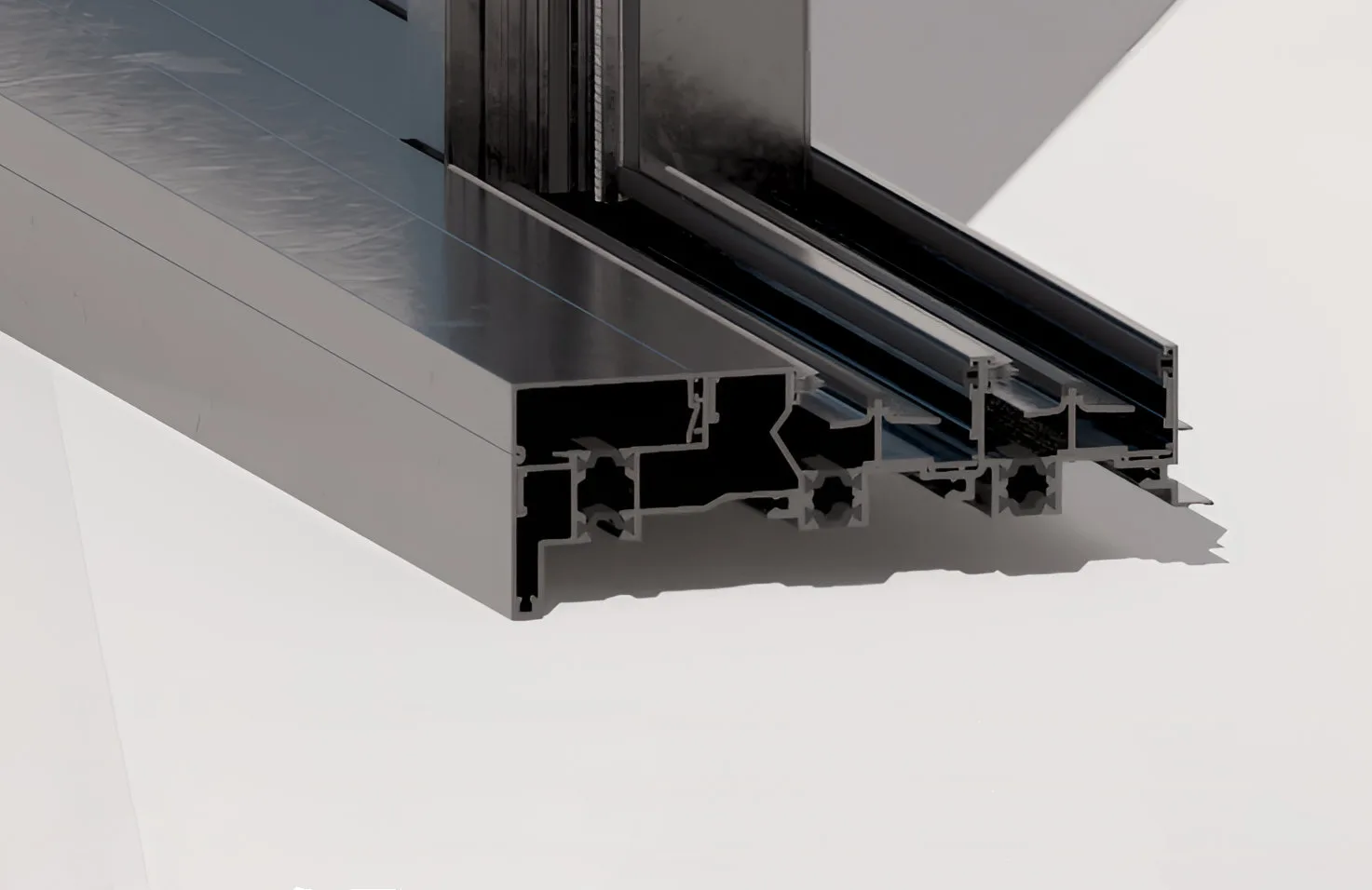
- Thermally broken frames. A polyamide break stops heat conducting through the aluminium, so the frame performs as well as the glass instead of being the weak link.
Together, these three can reduce heat loss through the window by up to 73%* compared with single glazing in a standard, non-thermally-broken aluminium frame.
*Estimated heat-loss reduction through the window versus single-glazed, non-thermally-broken aluminium. Actual performance depends on window size, glass configuration and installation quality, and does not represent total household energy savings.
When to spec it
Low-E is worth it on sunny north and west faces, and anywhere you're already upgrading to double glazing, where the marginal cost is small against the whole job. We'll recommend it room by room at quote stage.
Estimated figures; actual performance depends on window size, glass configuration, installation quality and your home's conditions.